Why Music Classes for Children Are Becoming More Popular
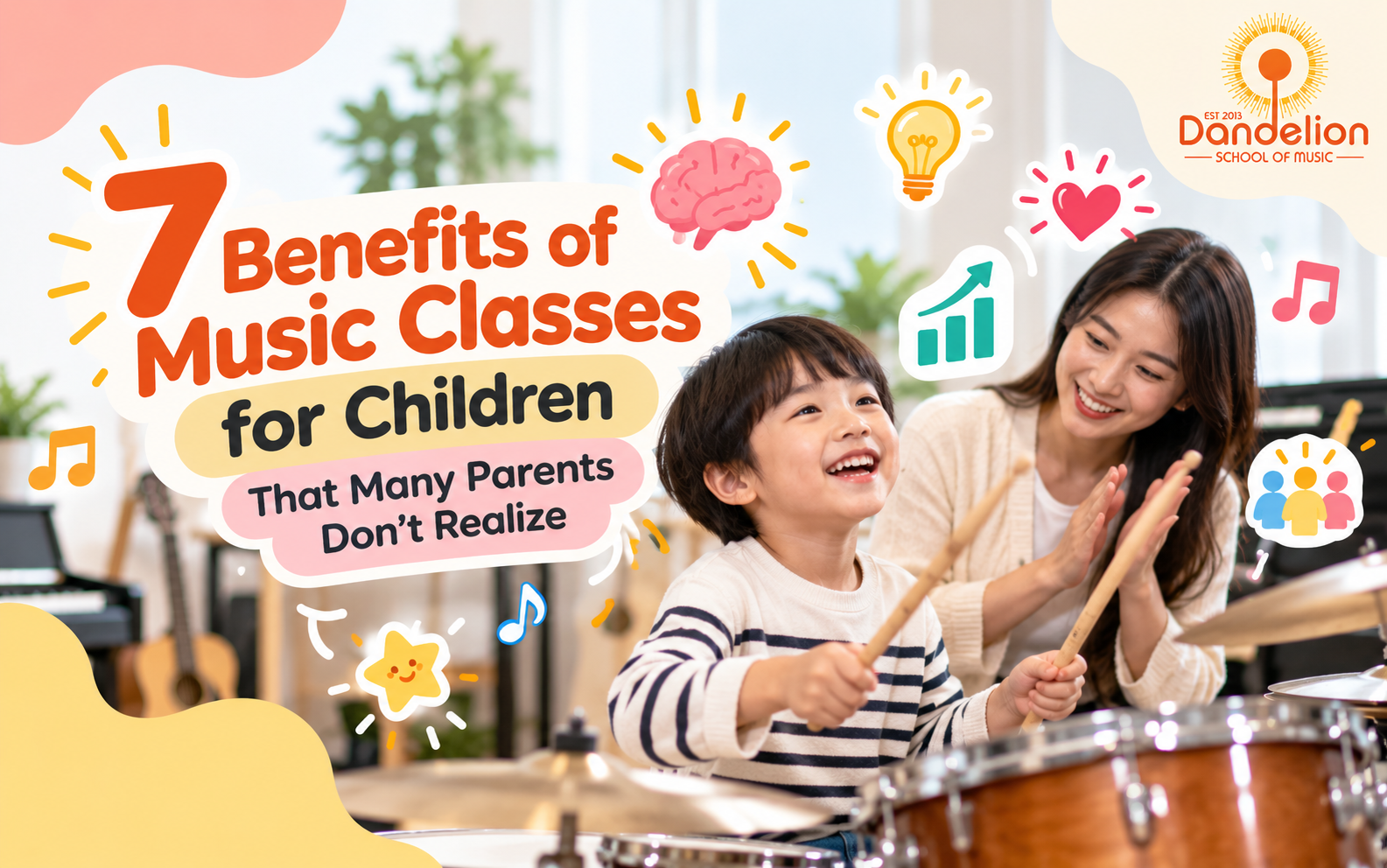
Many parents today realize that music classes for children are more than just an extracurricular activity. Learning music plays an important role in supporting a child’s cognitive, emotional, and social development from an early age.
In today’s digital era, music lessons can also help balance screen time by encouraging children to engage in creative and meaningful activities.
1. Improves Memory and Brain Development
Learning music activates multiple areas of the brain at the same time. Children who take music lessons often develop stronger memory skills and better academic performance.
Studies have also shown that music education can help children improve their concentration and problem-solving abilities.
2. Builds Focus and Discipline
When children learn instruments such as piano, violin, or guitar, they must pay attention to rhythm, timing, and technique. This process naturally trains them to stay focused and disciplined.
Consistent practice also teaches children the importance of patience and commitment.
3. Enhances Social Skills
Music classes allow children to interact with teachers and other students. Through these interactions, they learn teamwork, communication, and listening skills.
Group lessons and performances can also help children feel more comfortable working with others.
4. Increases Confidence and Self-Esteem
Performing a song or mastering a new skill gives children a sense of achievement. Over time, this helps build self-confidence and encourages them to express themselves more freely.
Children who feel confident in music often carry that confidence into other areas of life as well.
5. Encourages Creativity
Music is one of the best forms of self-expression. Through music lessons, children can explore sounds, emotions, and ideas in a creative way.
Creative activities like music also help children develop imagination and emotional awareness.
6. Helps Children Manage Emotions
Music has a calming effect that can help children manage stress and emotions more effectively. Playing music or singing can become a healthy outlet for emotional expression.
This is especially helpful for children who may struggle to communicate their feelings verbally.
7. When Should Children Start Learning Music?
Many parents wonder about the best age to start music lessons.
In general:
- Ages 4–6: introduction to rhythm, sound, and basic music concepts
- Ages 6 and above: suitable for learning instruments such as piano, violin, or vocals
The most important factor is not age, but the child’s interest and readiness to learn.
Tips for Choosing the Right Music School for Your Child
Before enrolling your child in music lessons, consider the following:
- Choose teachers who are experienced with children
- Look for a fun and structured learning environment
- Check whether the curriculum is suitable for beginners
- Consider trial classes before committing
A positive learning experience can help children stay motivated and enjoy music for years to come.
Music classes for children offer much more than musical skills. They help children grow emotionally, socially, and academically while building confidence and creativity.
With the right guidance and learning environment, music can become a valuable part of a child’s development.
Looking for engaging and professional music classes for your child?
Explore programs designed to help children learn music in a fun, supportive, and inspiring environment.
